
Los Angeles Trust Attorneys
The Darvish Firm creates living trusts, advises the successor trustees who have to administer them, and litigates trust disputes in the Los Angeles probate courts. Because we do all three, we draft knowing how these documents get attacked and litigate knowing how they were built.
A trust touches a family twice: once when it is written, and again, often years later, when someone has to administer it or fight about it. The Darvish Firm handles both ends. We create revocable living trusts and the documents that go with them, we advise trustees who are now responsible for someone else's money, and we litigate trust disputes in the Los Angeles probate courts when administration breaks down.
Trusts get drafted once and tested later
Most trust problems are not caused by bad intentions. They are caused by a document that was never funded, a successor trustee who did not know the Probate Code imposed duties on them, an amendment signed when capacity was already in question, or language that reads clearly to the person who wrote it and ambiguously to everyone left behind. Because our attorneys litigate trust cases, we draft with those failure points in view, and because we draft, we litigate knowing how these instruments are actually assembled.
Three kinds of work, one practice
Creating the plan. Revocable living trusts, pour-over wills, powers of attorney, advance health care directives, and the funding work that actually keeps a home out of probate. Our estate planning and trust attorneys page covers this in full.
Administering the trust. Guidance for successor trustees on notification, accountings, investment and distribution duties, and the conflicts that arise when a trustee is also a beneficiary. A trustee who gets this wrong can be surcharged personally.
Disputing the trust. Trust contests, breach of fiduciary duty claims, contested accountings, removal petitions, and recovery of assets taken before or after death. See our trust litigation and probate litigation pages.
If you are not sure which one you need
Many people call because something feels wrong and they cannot yet name it: a sibling has stopped answering questions, a parent's bank balance changed, a trustee will not produce a copy of the trust. Sorting out whether that is an administration problem, a contest, or nothing at all is a normal first conversation, and it is usually quick.
Los Angeles Trust Attorneys
Revocable Living Trusts
A funded revocable living trust is the standard way a California homeowner keeps a house out of probate, which is slow, public, and priced on the gross value of the estate rather than the equity in it. We draft trusts around the actual family: outright distributions, staggered distributions, protective sub-trusts for a beneficiary who should not receive a lump sum, and provisions for a blended family. The document is only half the job. See estate planning and trusts and our article on whether you really need a living trust.
Trust Funding, and the Assets Everyone Forgets
A trust avoids probate only for assets actually titled in its name. The recurring failures are the same every time: a refinance that quietly took the house back out of the trust and nobody put it back, a newly opened account, an inherited property, or a business interest never assigned. Where an asset was clearly meant to be in the trust but the paperwork was never completed, a Heggstad petition under Probate Code section 850 can often confirm it as trust property without a full probate. See our glossary entry on the Heggstad petition.
Advising Successor Trustees
Becoming a successor trustee is a legal appointment, not a family courtesy. The Probate Code requires administering the trust by its terms, acting loyally and impartially among beneficiaries, keeping trust property separate, investing prudently, and keeping beneficiaries reasonably informed. On a settlor's death there is generally a sixty day deadline to serve notification on beneficiaries and heirs, and that notice starts the clock on contests. We advise trustees through the first ninety days and beyond, which is where most personal liability is created or avoided. See what a trustee owes.
Trust Accountings and Beneficiary Information Rights
Beneficiaries of an irrevocable trust are generally entitled to a copy of the trust, notice, and accountings that meet the Probate Code's content requirements. A spreadsheet or a stack of bank statements is not an accounting. We prepare compliant accountings for trustees, and on the other side we review them for beneficiaries, which is where self-dealing, undisclosed compensation, and missing assets usually surface. A proper accounting also starts a limitations period, so neither side should treat it as a formality. See trust accounting.
Trust Contests and Capacity Claims
A trust or amendment can be challenged for lack of capacity, undue influence, fraud, forgery, or improper execution. California defines undue influence by statute around the victim's vulnerability, the influencer's authority, the tactics used, and the equity of the result, and a presumption can shift the burden where someone in a confidential relationship procured an instrument that unduly benefited them. Timing is unforgiving: a contest generally must be brought within one hundred twenty days of the trustee's notification. See the deadline to contest a trust.
Removing or Surcharging a Trustee
A court can remove a trustee for breach of trust, unfitness, hostility that impairs administration, excessive compensation, or where removal otherwise serves the beneficiaries. Removal is often not the real remedy. A trustee who breached can be surcharged, meaning held personally liable for the loss to the trust, for the profit the trust would have made, or for any profit the trustee personally took. See how to remove a trustee in California.
Recovering Property Taken From a Trust or Estate
When assets were moved before death, or a caregiver or relative transferred property to themselves, a petition under Probate Code section 850 asks the court to order it returned. Where the court finds the taking was in bad faith or accomplished through undue influence, section 859 generally provides for liability of twice the value of the property recovered, plus attorney fees in the court's discretion. That exposure changes settlement dynamics considerably. See our article on recovering stolen trust property.
No Contest Clauses
A no contest clause disinherits a beneficiary who challenges the instrument, but California narrowed their reach substantially for instruments that became irrevocable on or after January 1, 2010. Such a clause is generally enforceable only against a direct contest brought without probable cause, and against certain property and creditor claims where the clause expressly says so. Petitions to compel an accounting or remove a trustee usually do not trigger it. Investigating before filing is what protects a beneficiary. See no contest clauses.
Who We Represent
We act for every position in a trust matter:
- check_circleSettlors and Families: People creating or updating a plan, including blended families, business owners, and parents of minor or vulnerable children.
- check_circleSuccessor Trustees: Individuals and private fiduciaries newly responsible for administering a trust, and trustees facing beneficiary claims.
- check_circleBeneficiaries: Children, spouses, and other beneficiaries seeking information, accountings, distributions, or the removal of a trustee.
- check_circleContestants and Defenders: Those challenging a trust or amendment on capacity or undue influence grounds, and those defending the settlor's final wishes.
- check_circleExecutors and Heirs: Families dealing with probate alongside a trust, including real property that has to be sold or divided.
Attorneys Who Handle These Matters
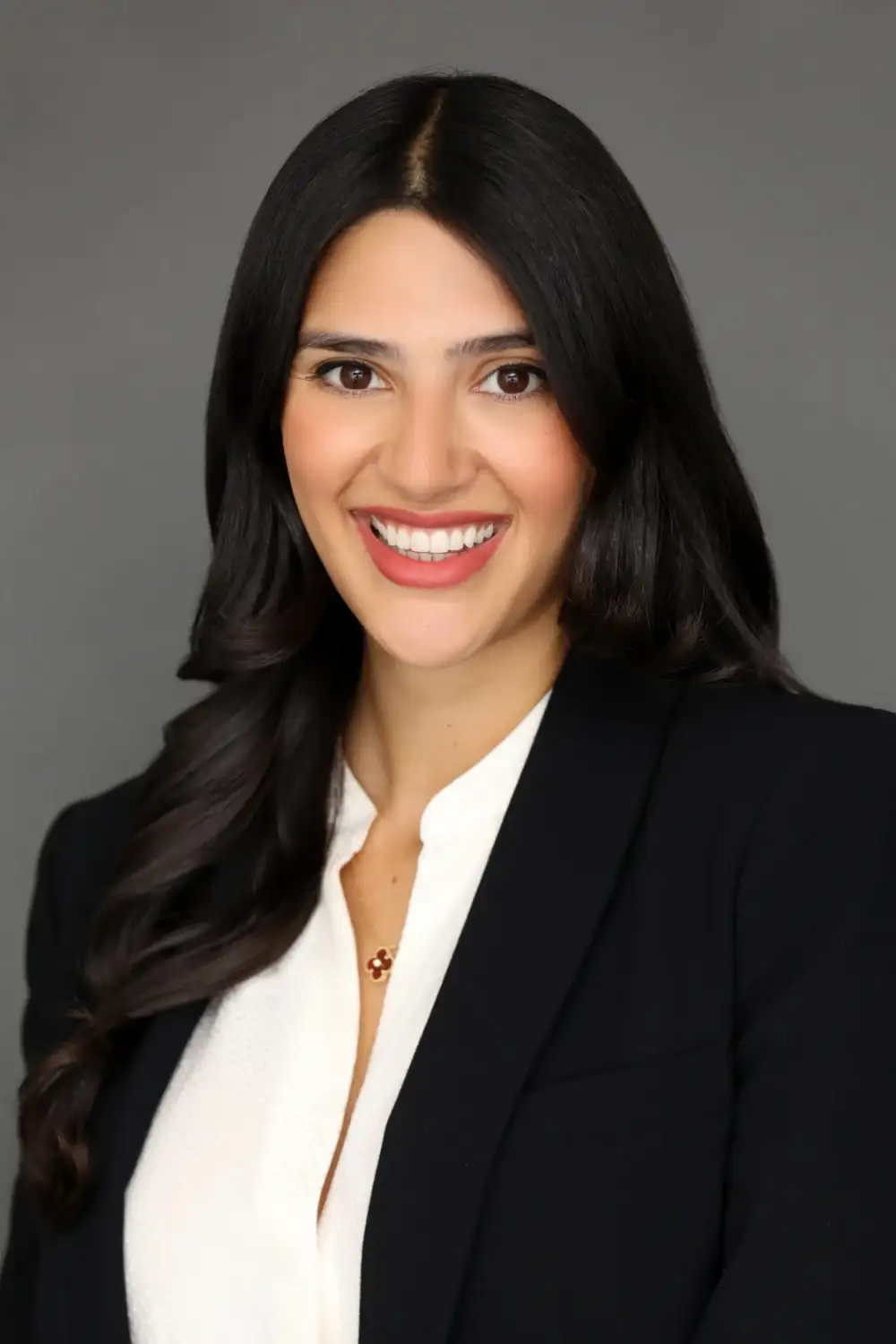
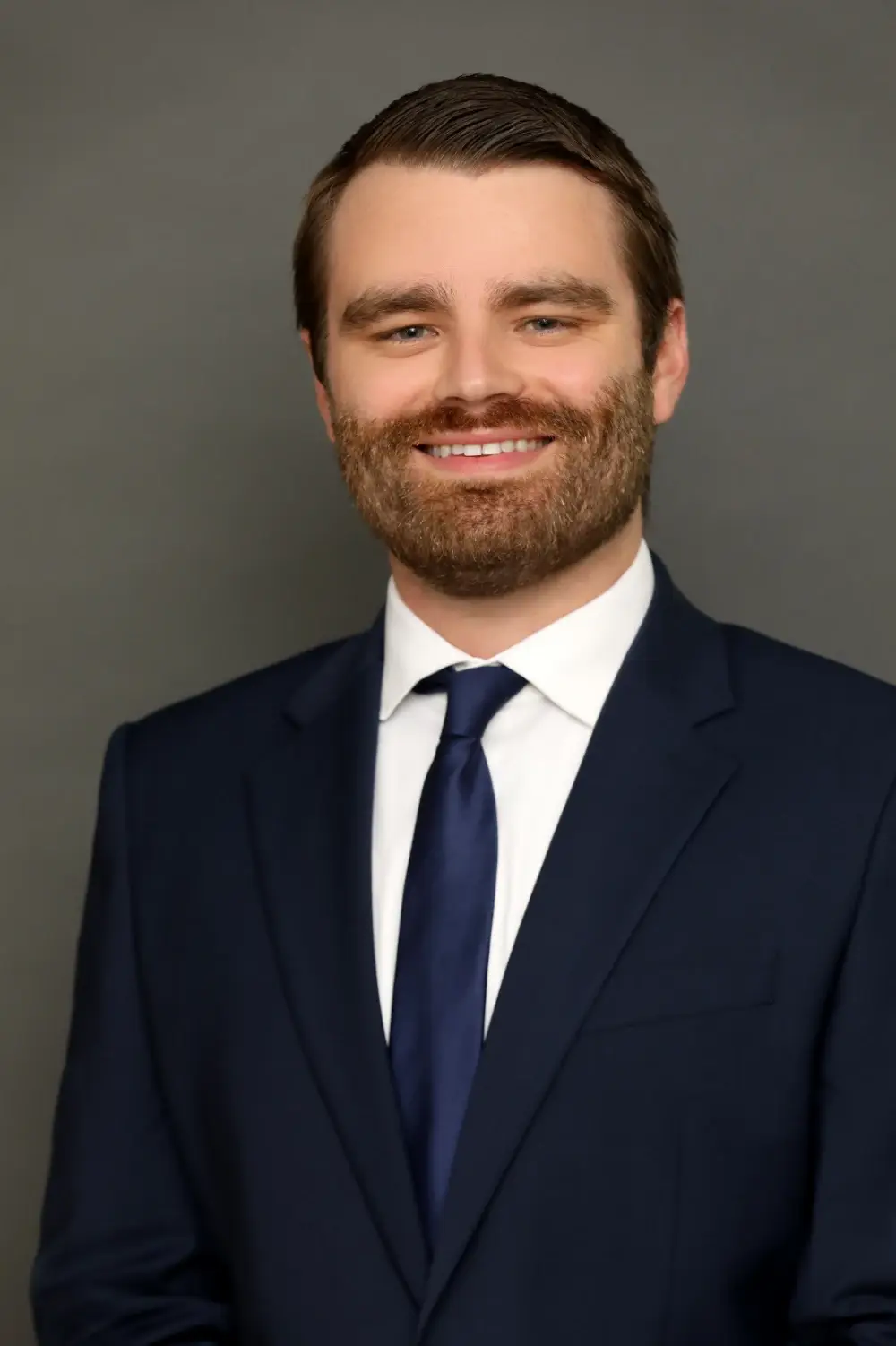
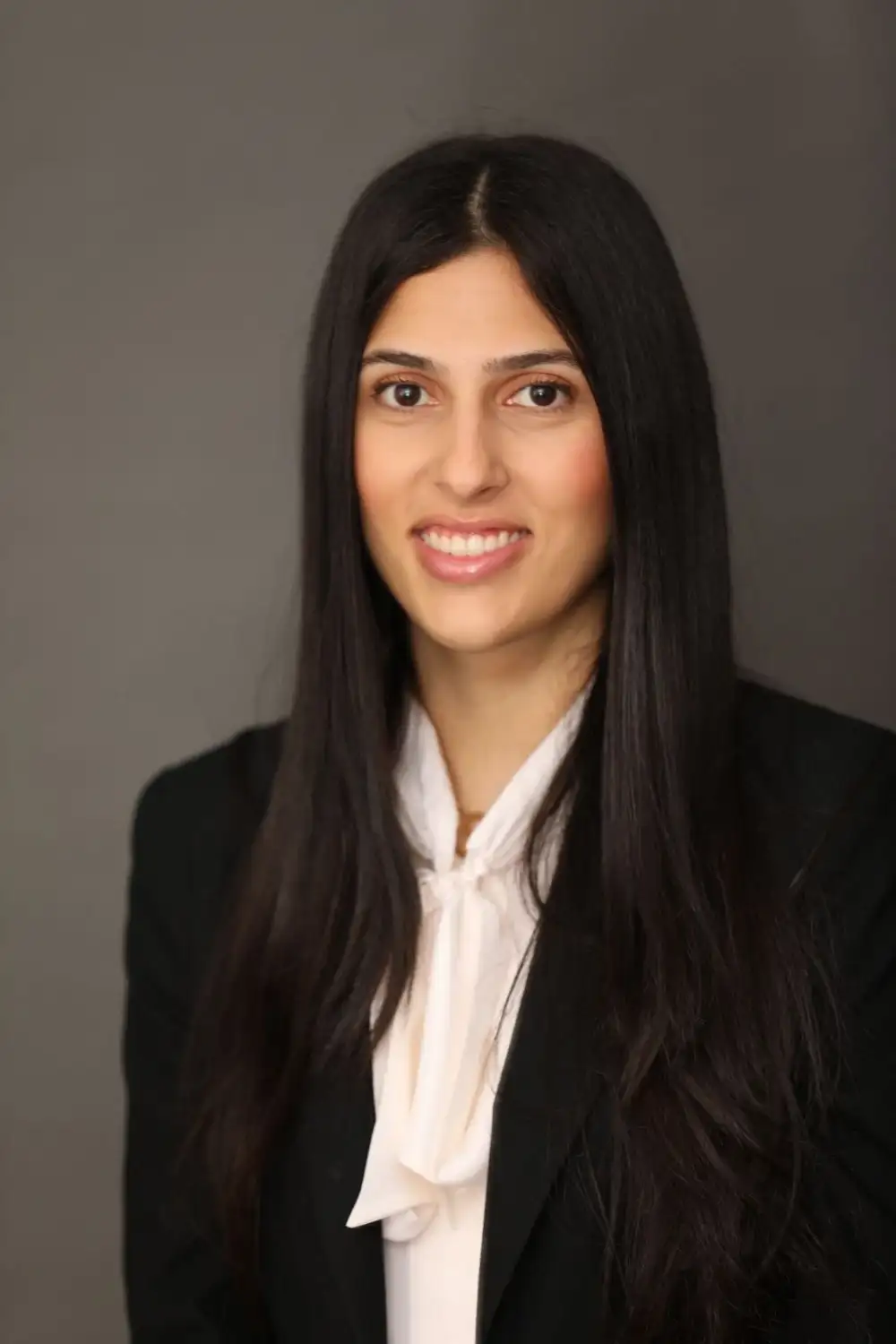
Our matters are staffed by the attorneys below. Read their backgrounds, or call (310) 677-3512 to speak with the team directly.
Serving Los Angeles & Southern California
From our office on Wilshire Boulevard, The Darvish Firm represents clients throughout Los Angeles County, including Beverly Hills, Santa Monica, Century City, Westwood, Culver City, Pasadena, Glendale, Burbank, and Long Beach, and across Orange, Ventura, Riverside, and San Bernardino Counties. We appear in the Stanley Mosk Courthouse and Los Angeles Superior Court locations countywide.
Request a consultation or call (310) 677-3512.
Los Angeles Trust Attorneys, Frequently Asked Questions
Do I need a trust, or is a will enough?
For most California homeowners the deciding factor is probate. Property passing under a will alone generally goes through probate, which is slow, public, and compensated on the gross value of the estate rather than your equity in it. A funded living trust avoids that for the assets actually titled in its name. A will is still necessary alongside the trust, because only a will can nominate a guardian for minor children. See do you really need a living trust.
I have just been named successor trustee. What do I do first?
Treat it as a legal appointment with deadlines, not a family errand. Locate and read the trust in full, secure and inventory the assets, and serve the statutory notification on beneficiaries and heirs, which on a settlor's death is generally due within sixty days and starts the clock for any contest. Do not distribute anything, pay yourself, or sell trust property before you understand the terms and your duties. See a trustee's duties.
Can a trust be challenged after the person who made it dies?
Yes, on grounds including lack of capacity, undue influence, fraud, forgery, and improper execution. The window is short: a contest generally must be filed within one hundred twenty days of the trustee serving the statutory notification. Because these cases are built on medical records, financial records, and the drafting attorney's file, the investigation should start well before that deadline. See trust litigation.
What is the difference between a trust attorney and an estate planning attorney?
In practice the terms overlap, and many firms do only one half of the work. Estate planning usually refers to creating the documents. Trust work also covers what happens afterward: advising the trustee who has to administer the trust, preparing or reviewing accountings, and litigating when beneficiaries and trustees disagree. We do both, which is the reason our drafting anticipates the disputes and our litigation understands the drafting.
The trustee will not tell me anything. What can I actually do?
If the trust has become irrevocable, usually on the settlor's death, a beneficiary is generally entitled to notification and to a complete copy of the trust on request, and to accountings. Put the request in writing and keep proof of delivery. If the trustee still refuses, a petition can compel both the information and a formal accounting, and persistent stonewalling is itself evidence supporting removal. See trust litigation.
How quickly do I have to act on a trust dispute?
Faster than most people expect. A trust contest generally must be filed within one hundred twenty days of the trustee serving the statutory notification, and claims based on an accounting are generally barred three years after a report that adequately disclosed the issue. Evidence degrades too: medical records, bank records, and the drafting attorney's file are what these cases turn on, and they are not retained forever.
Have a question about your situation? Call (310) 677-3512 or request a consultation.