
Los Angeles Real Estate Attorneys
The Darvish Firm's real estate attorneys represent buyers, sellers, investors, property owners, developers, and brokers across Los Angeles, from the purchase agreement through escrow, and into court when a deal or a property goes wrong.
Real estate is usually the largest asset a person or a business owns, and in Los Angeles the dollar amounts leave little room for a bad contract, a missed disclosure, or a title problem nobody caught. The Darvish Firm's real estate attorneys represent buyers, sellers, investors, property owners, developers, and brokers across Los Angeles County and Southern California, both in the transaction and, when a deal goes wrong, in court.
A real estate attorney who handles the deal and the dispute
Most real estate lawyers do one or the other: they close transactions, or they litigate. Our attorneys do both, and that combination is the point. Because we try real estate cases, we draft and review purchase agreements, leases, and disclosures knowing exactly which clauses get fought over later. Because we close deals, we litigate with a working understanding of how escrow, title, lending, and brokerage actually operate, which is where the evidence in most real estate cases lives. Elan Darvish, a founding partner, is also a licensed California real estate broker.
What a real estate attorney does for you
In California many home sales close through escrow using standard association forms, without a lawyer on either side. That works until something is unusual: a property with unpermitted work, a seller who is a trust or an estate, a commercial lease, a partnership buying the property, a contingency that is running out, or a counterparty who has stopped performing. Those are the moments an attorney earns their fee, and they are far cheaper to handle before the documents are signed than after.
On the transactional side, that means negotiating and drafting purchase and sale agreements, reviewing disclosures and title reports, structuring ownership between co-buyers or entities, and drafting and negotiating commercial leases. On the litigation side, it means disclosure and fraud claims, quiet title and partition actions, easement and boundary disputes, specific performance when a seller backs out, and disputes with brokers, lenders, contractors, and escrow.
Where to go from here
If you already know what kind of problem you have, our focused pages go deeper: real estate litigation for disputes headed to court, real estate transactions for purchases, sales, and leases, real estate fraud for nondisclosure and misrepresentation claims, and construction law for building and development disputes. If you are not sure, call us. Sorting out which of those you are dealing with is a normal first conversation.
Los Angeles Real Estate Attorneys
Home Purchases and Sales
Most California residential sales use the standard C.A.R. purchase agreement, and most of the risk hides in what the parties add to it or leave out: contingency periods, repair credits, seller financing, rent-backs, and what happens if the deal cannot close on time. We review and negotiate purchase agreements for buyers and sellers, advise on contingency removal and cancellation rights, and step in when a transaction stalls. We regularly handle sales where the seller is a trust, an estate, or co-owners who do not agree. See our real estate transactions page for the full scope.
Commercial Real Estate and Leasing
Commercial leases are negotiated documents, and California law generally gives commercial tenants far fewer statutory protections than residential tenants, so the lease terms themselves decide most disputes. We draft and negotiate office, retail, and industrial leases and purchase agreements for owners and tenants, covering rent escalations, operating expense pass-throughs, repair and maintenance allocation, assignment and subletting, personal guaranties, and exit rights. Our article on breaking a commercial lease in California covers the options when a tenant needs out.
Real Estate Litigation
When a real estate deal turns into a dispute, we litigate it in the Los Angeles Superior Court and in federal court. That includes breach of purchase agreement claims, specific performance when a seller refuses to close, disputes over earnest money deposits and liquidated damages, broker and escrow liability, and lender disputes. Many of these cases are won or lost on the transaction file, which is why our transactional experience matters in court. Our real estate litigation page covers the disputes we try.
Nondisclosure and Real Estate Fraud
California residential sellers and their agents carry broad disclosure duties, including the statutory Transfer Disclosure Statement and an agent's duty to conduct a reasonably diligent visual inspection. Selling a property as is does not excuse a seller from disclosing known material defects. When a buyer discovers concealed water damage, unpermitted work, foundation problems, or a misrepresented condition after closing, the claims can include fraud, negligent misrepresentation, and breach of statutory duty. See our real estate fraud lawyers page.
Title, Boundary, and Easement Disputes
Some of the most consequential real estate problems are about who owns what. We handle quiet title actions to clear clouded or disputed title, cancellation of forged or fraudulent deeds, boundary line and encroachment disputes, and disputes over the existence or scope of easements, including prescriptive easements claimed through years of use. These cases often call for recording a lis pendens to protect the property while the case is pending, which carries its own risks if done improperly. Our glossary entry on quiet title actions explains the process.
Co-Owner Disputes and Partition
Siblings who inherit a house together, unmarried partners who bought together, and investors who fall out all face the same question: how does a co-owner get out when the others will not agree? In California the answer is often a partition action, which lets a court order the property divided or, more commonly, sold, with an accounting that credits each owner for what they actually paid. We represent co-owners on both sides of these disputes. See partition actions in Los Angeles.
Broker, Agent, and Escrow Disputes
Real estate agents owe their clients fiduciary duties, and California regulates dual agency, where one brokerage represents both buyer and seller, through specific disclosure and consent requirements. Escrow holders must follow their written instructions strictly. When an agent favored the other side, concealed a known defect, or mishandled a dual agency, or when escrow released funds it should not have, there may be claims for breach of fiduciary duty, negligence, or breach of contract. Because our founding partner is a licensed broker, we understand brokerage practice from the inside. See our glossary entry on dual agency.
Construction and Development
Real estate and construction problems overlap constantly: a buyer discovers defective work by a flipper, an owner disputes a contractor's bill, a subcontractor records a mechanics lien, or a development deal stalls over permits and change orders. We handle construction defect claims, contractor payment disputes, mechanics liens and stop payment notices, and contract drafting for owners and builders. See our construction law page.
Who We Represent
We represent every side of the Los Angeles real estate market:
- check_circleBuyers and Sellers: Homeowners and purchasers navigating contracts, disclosures, contingencies, and disputes that surface before or after closing.
- check_circleInvestors and Property Owners: Individual investors, landlords, and ownership groups buying, holding, leasing, and selling residential and commercial property.
- check_circleDevelopers and Builders: Developers and contractors on acquisitions, construction contracts, payment disputes, and defect claims.
- check_circleBrokers and Agents: Brokerages and agents facing client claims, commission disputes, and questions about disclosure and agency duties.
- check_circleCo-Owners, Heirs, and Trustees: Families and fiduciaries dealing with inherited property, co-ownership disputes, and sales out of a trust or estate.
Attorneys Who Handle These Matters
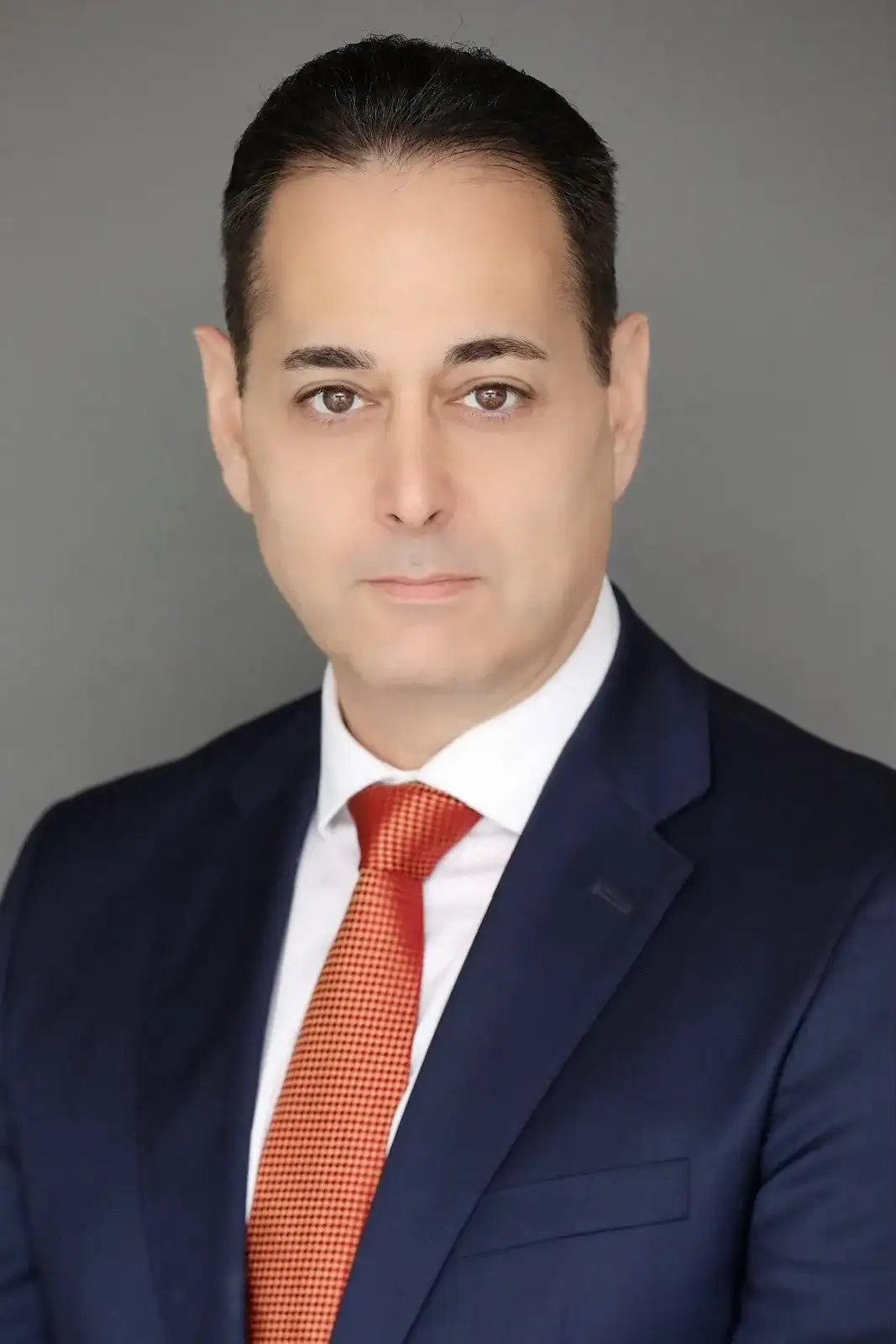
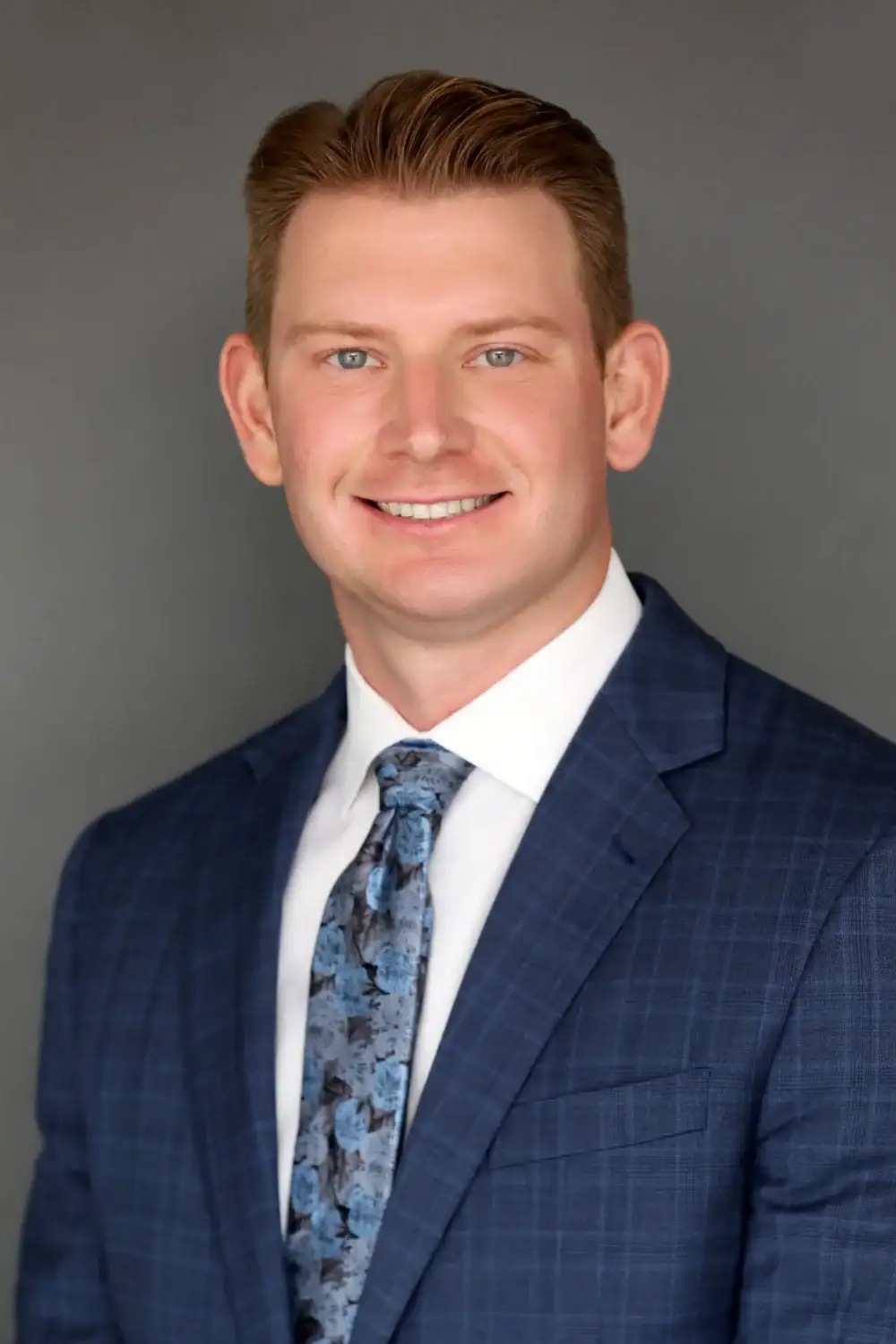
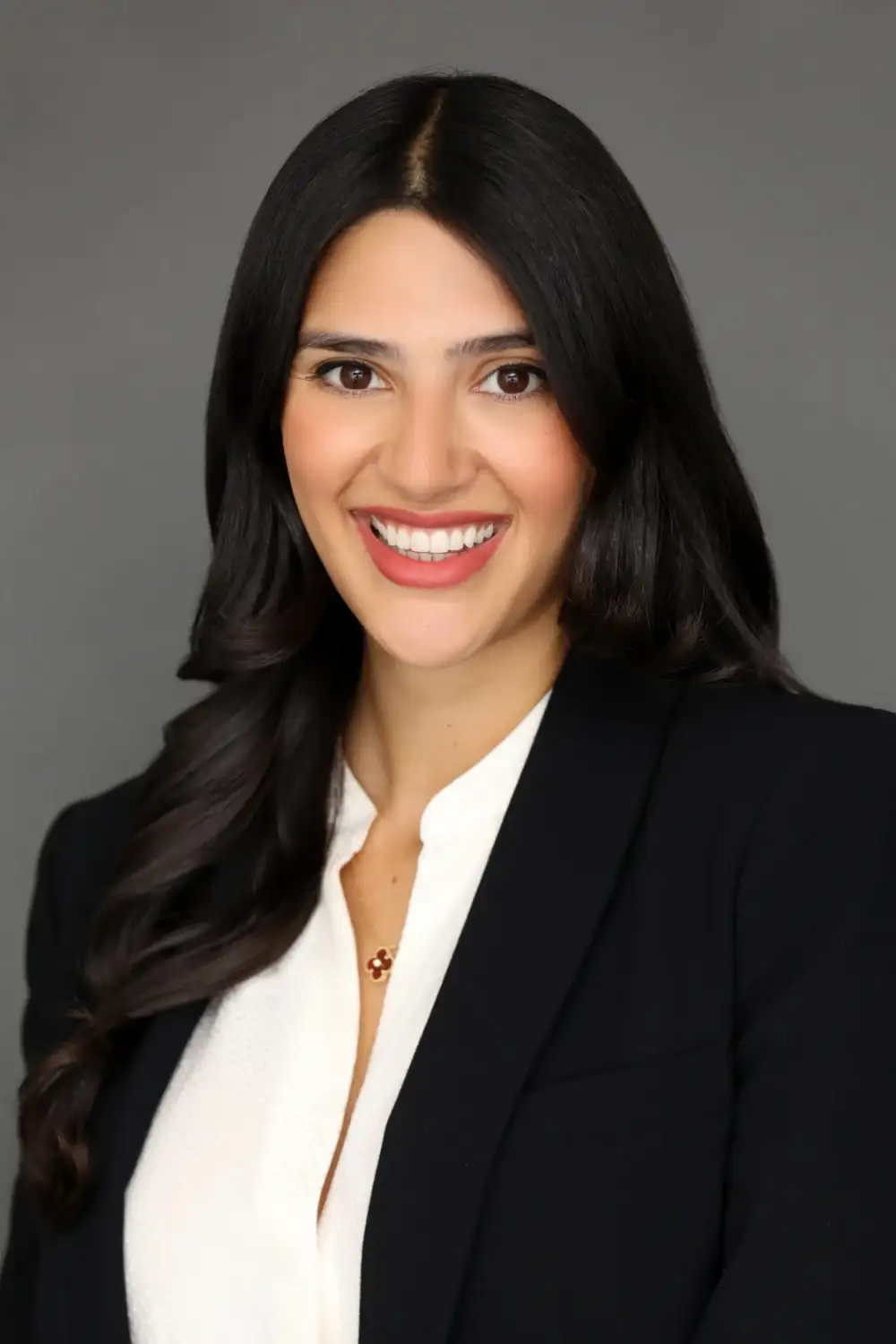
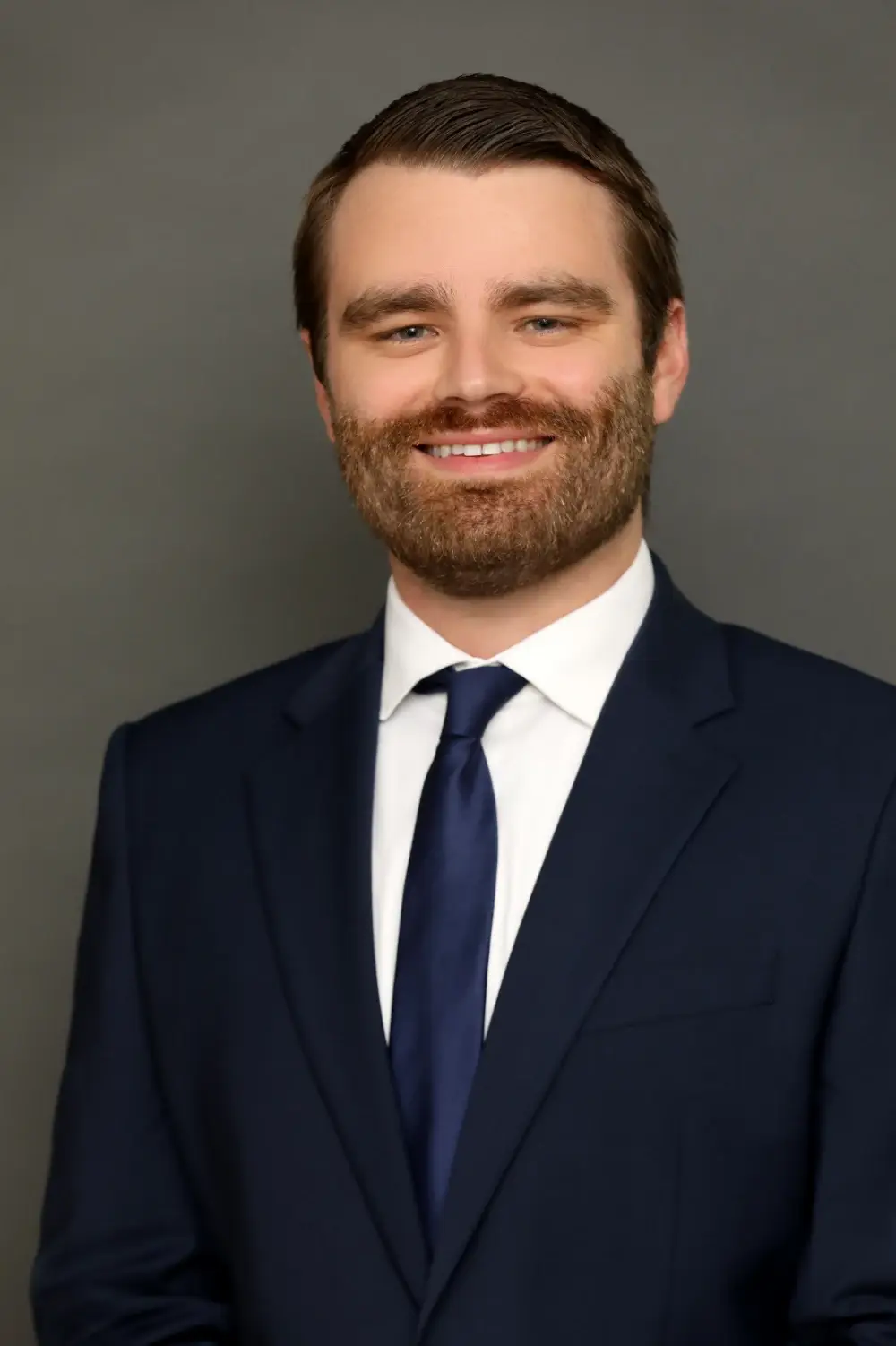
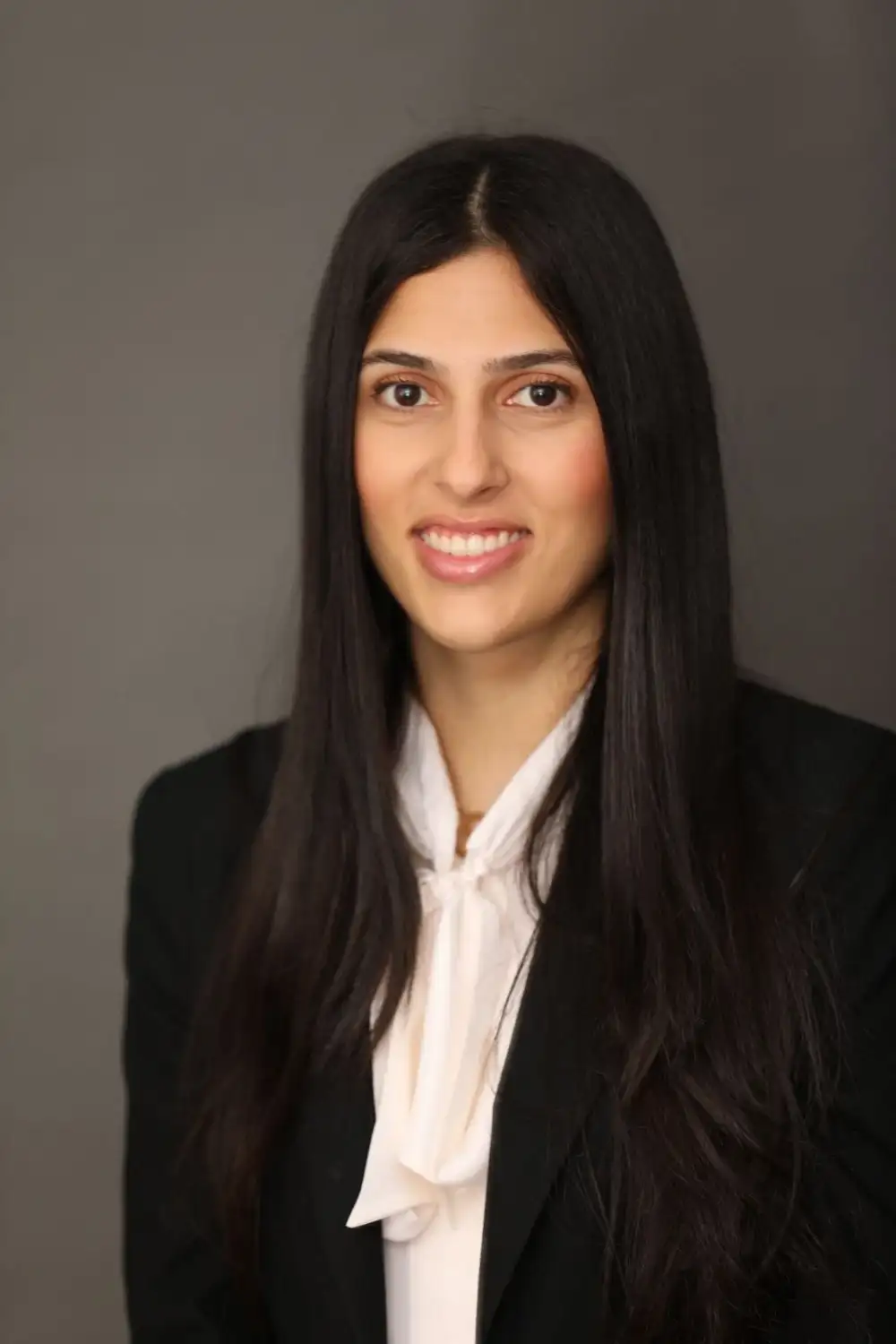
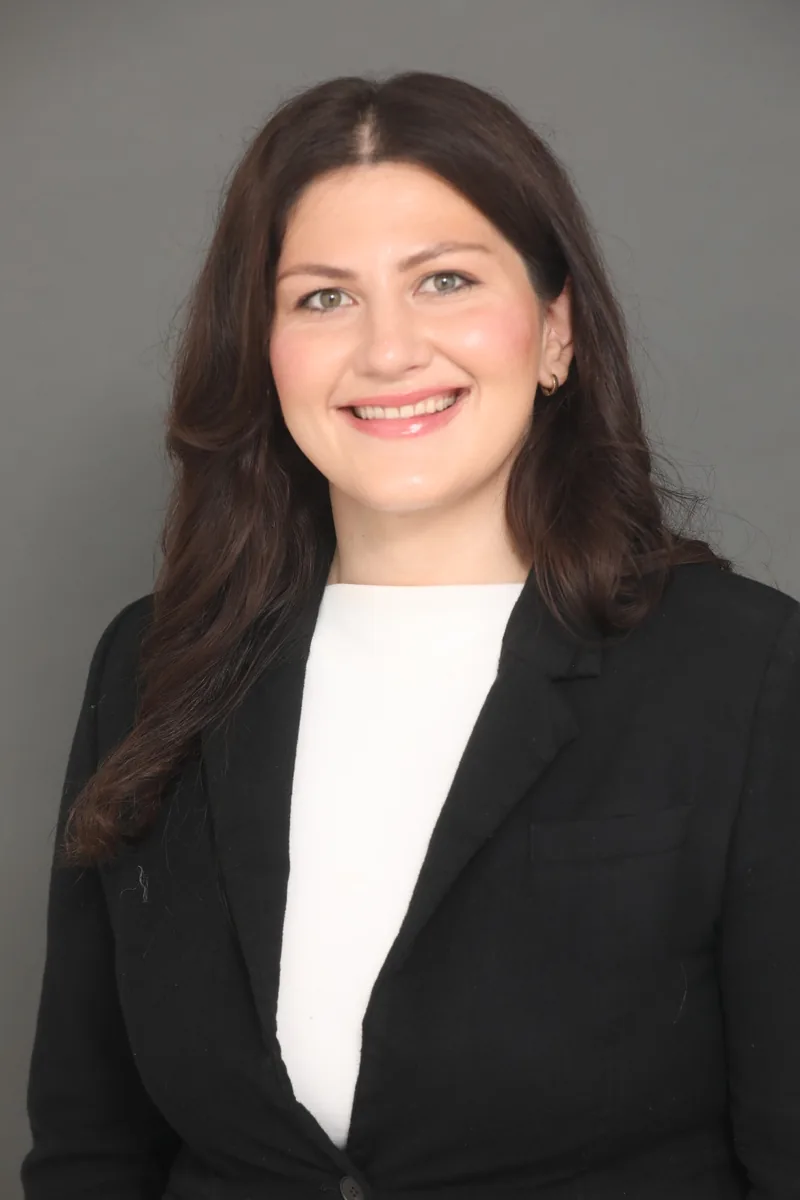
Our matters are staffed by the attorneys and law clerks below. Read their backgrounds, or call (310) 677-3512 to speak with the team directly.

Serving Los Angeles & Southern California
From our office on Wilshire Boulevard, The Darvish Firm represents clients throughout Los Angeles County, including Beverly Hills, Santa Monica, Century City, Westwood, Culver City, Pasadena, Glendale, Burbank, and Long Beach, and across Orange, Ventura, Riverside, and San Bernardino Counties. We appear in the Stanley Mosk Courthouse and Los Angeles Superior Court locations countywide.
Request a consultation or call (310) 677-3512.
Los Angeles Real Estate Attorneys, Frequently Asked Questions
Do I need a real estate attorney to buy or sell a home in California?
Not always. Many California home sales close through escrow with licensed agents and standard association forms and no attorney involved. An attorney becomes worth the cost when the transaction is unusual or the stakes are high: a property with known defects or unpermitted work, a seller that is a trust or an estate, co-owners who disagree, seller financing, a commercial property, or a deadline or deposit that is in dispute. Legal review before signing is generally far cheaper than litigation after closing.
What is the difference between a real estate attorney and a real estate agent?
An agent is licensed to help buy, sell, and lease property and is usually paid a commission when the deal closes. An attorney is licensed to give legal advice, draft and negotiate legal terms, and represent you in a dispute or in court, and is paid for that advice whether or not the deal closes. Agents cannot give legal advice. The two roles work well together, and in a contested situation the attorney's independence from the commission matters.
Who pays the attorney fees in a real estate dispute?
In California each side generally pays its own fees unless a contract or statute says otherwise. Many real estate contracts, including the standard residential purchase agreement, contain a prevailing party fee clause, and California law makes such clauses reciprocal. The standard purchase agreement also generally conditions fee recovery on first attempting mediation, so skipping that step can forfeit fees. See our article on C.A.R. mediation and attorney fees.
Can a real estate attorney help after escrow has already closed?
Yes, and many of our cases start that way. Concealed defects, title problems, misrepresented square footage or permits, and broker misconduct usually surface only after the buyer moves in. Closing does not end the seller's or the agents' legal responsibility for what they knew and did not disclose. Deadlines do apply, generally running from when the problem was discovered or reasonably should have been, so gather your transaction file and have it reviewed promptly. See our real estate fraud page.
When should I call an attorney instead of letting the agents work it out?
Call when a contingency deadline is at risk, when the other side is threatening to cancel or keep a deposit, when you have discovered something about the property that was not disclosed, when title shows something unexpected, or when the transaction involves a trust, an estate, an entity, or co-owners who disagree. Agents are valuable but cannot give legal advice, and by the time a dispute is obvious, the most useful decisions have often already been made.
Do you handle real estate matters outside Los Angeles?
Our office is on Wilshire Boulevard in Westwood and most of our work is in Los Angeles County, but we represent clients throughout Southern California, including Orange, Ventura, Riverside, and San Bernardino counties, and in federal court in the Central District of California.
Have a question about your situation? Call (310) 677-3512 or request a consultation.