
Los Angeles Carmack Amendment & Cargo Claims Lawyers
Lost, damaged, or stolen freight moves under one federal law: the Carmack Amendment. The Darvish Firm handles cargo claims and trucking disputes for shippers, motor carriers, and freight brokers across Los Angeles and Southern California, the nation's busiest freight corridor.
When freight is lost, damaged, or stolen in interstate commerce, one federal statute controls almost everything that happens next: the Carmack Amendment, 49 U.S.C. § 14706. It decides who is liable, what must be proven, how much can be recovered, and the unforgiving deadlines that quietly kill valid cargo claims. The Darvish Firm represents shippers, consignees, motor carriers, freight brokers, freight forwarder companies, and owner-operators in Carmack Amendment litigation and cargo claims throughout Los Angeles and Southern California, the busiest freight corridor in the United States.
What the Carmack Amendment does
The Carmack Amendment makes an interstate motor carrier liable for the actual loss or injury to the property it transports, and it broadly preempts state law claims like negligence and breach of contract against the carrier. For shippers, that is both a gift and a trap. The gift: liability is close to strict. A shipper makes its prima facie case by showing the cargo was delivered to the carrier in good condition, arrived damaged or short (or never arrived at all), and the amount of the loss. The carrier then must prove both that it was free from negligence and that the loss came from one of a handful of narrow excepted causes. The trap: recovery can be capped by released rates and contract terms, and the claim process runs on strict deadlines buried in the bill of lading.
The deadlines that decide cargo cases
Most bills of lading require a written claim to the carrier within nine months of delivery (or of the date delivery should have happened), and suit within two years after the carrier denies the claim. Miss the nine-month window and even a perfect case can be worthless. If your freight claim matters, calendar those dates first and get the claim documented properly: shipment records, the bill of lading, delivery receipts, photographs, and the value evidence that proves actual loss.
Stolen loads: the fastest-growing cargo problem in America
Cargo theft has surged to record levels, and Southern California, from the Ports of Los Angeles and Long Beach through the Inland Empire warehouse corridor, is its epicenter. Beyond straight trailer theft, today's losses are dominated by strategic cargo theft: fraud dressed up as logistics. Fictitious pickups, where a thief with forged paperwork collects a load at the dock. Carrier identity theft, where criminals impersonate a legitimate trucking company on load boards. Double brokering scams, where a load is re-brokered to an unvetted or fake carrier and disappears. Account takeovers of brokers and carriers. When a load vanishes, the legal questions come fast: is the carrier liable under Carmack even though it was robbed (usually yes, since thieves are not an excepted cause), was the party that took the load a carrier or a broker, whose insurance responds, and can the fraudster be traced and sued?
We represent both sides of the freight relationship
Our attorneys prosecute cargo claims for shippers and consignees who lost freight, and we defend motor carriers, brokers, and owner-operators against overreaching claims, misclassification as a carrier, and freight charge disputes. That double perspective is an advantage: we know how the other side builds its case because we build those cases too. And because The Darvish Firm is first and foremost a business litigation firm, we treat every cargo dispute as what it really is: a commercial fight about money, contracts, and leverage.
Why deadlines and paperwork favor the prepared
Carmack litigation is won in the documents: the bill of lading and its terms, the broker-carrier agreement, the rate confirmation, tariffs and released rates, insurance certificates, and the claim correspondence. Whether you are a shipper with six figures of vanished electronics or a carrier staring at a claim you believe is inflated, the sooner those documents are analyzed, the more options you have. Call (310) 677-3512 to speak with a Los Angeles cargo claims attorney.
Los Angeles Carmack Amendment & Cargo Claims Lawyers
Carmack Amendment Freight Claims
We prosecute and defend cargo claims under 49 U.S.C. § 14706 for full truckload, LTL, and intermodal shipments. That means building or attacking the prima facie case (good condition at origin, loss or damage at destination, actual loss), litigating the carrier's excepted-cause defenses, and fighting over what the bill of lading actually says. Because Carmack preempts most state law theories against interstate motor carriers, choosing and pleading the right claims at the outset is not a formality. It frequently decides the case.
Stolen Loads & Strategic Cargo Theft
Southern California's ports and Inland Empire warehouses are the center of the national cargo theft surge. We act for shippers and consignees whose loads vanished, and for carriers and brokers blamed for thefts they did not cause. Strategic cargo theft cases, including fictitious pickups and carrier identity theft, require fast forensic work: pull the load board records, rate confirmations, insurance certificates, and communications before the trail goes cold, then pursue every liable party and policy. Our guide to the first 48 hours after a stolen load walks through the immediate checklist.
Double Brokering & Freight Fraud
Double brokering is the most reported freight fraud in the country: a load is re-brokered without authorization to an unvetted, uninsured, or entirely fake carrier, and the cargo or the payment disappears. These cases turn on who was a carrier, who was a broker, and who bears the loss when the scheme unravels. We represent the defrauded parties, and the legitimate businesses whose identities were hijacked, in unwinding the fraud and recovering from the parties and insurers left standing.
Freight Broker Liability
Brokers are not carriers under the Carmack Amendment, and that distinction drives their liability. Shippers pursue brokers on theories like negligent selection of an unsafe or uninsured carrier and breach of the brokerage contract, while brokers defend by keeping their broker status intact and enforcing their agreements. We litigate both sides, and we draft and negotiate broker-carrier and shipper-broker agreements that allocate cargo risk before a load ever moves. See our business contracts practice for the transactional side.
Released Rates & Limitation of Liability
Carriers can lawfully cap cargo liability, sometimes to pennies on the pound, through released rates and tariff terms, but only when the limitation was properly offered and agreed. Whether a limitation is enforceable is one of the most litigated questions in cargo law, involving reasonable notice, a fair opportunity to choose full coverage, and the paper trail behind the rate. We enforce valid limitations for carriers and defeat defective ones for shippers.
Cargo Insurance, MCS-90 & Subrogation
When freight is lost, the real fight is often among insurers: motor truck cargo policies, shipper's interest coverage, contingent cargo policies, and the MCS-90 endorsement each respond differently, and exclusions for theft, unattended vehicles, and dishonesty are common battlegrounds. We represent policyholders pressing coverage, cargo owners pursuing carriers' insurers, and subrogating parties recovering what was paid out.
Freight Charge & Detention Disputes
Not every trucking case is about damaged cargo. We handle collection and defense of unpaid freight charges, offset battles where cargo claims are netted against invoices, detention and demurrage disputes, and payment fights between shippers, brokers, factors, and carriers. These are commercial collection cases with a transportation overlay, and the governing contracts and tariffs usually decide them.
Interstate & Intrastate Trucking Disputes
Beyond cargo, trucking generates business disputes like any other industry: broker-carrier agreement breaches, owner-operator lease disputes, terminated relationships, and unfair competition. Our business litigation team brings the same courtroom-first approach to transportation clients that it brings to every commercial dispute, in both federal and California state court.
Who We Represent
We represent every link in the supply chain:
- check_circleShippers & Consignees: Manufacturers, importers, and distributors pursuing carriers and brokers for lost, damaged, and stolen freight.
- check_circleMotor Carriers: Trucking companies defending cargo claims, enforcing released rates, and collecting unpaid freight charges.
- check_circleFreight Brokers & Forwarders: Intermediaries defending negligent-selection and misclassification claims and enforcing their agreements.
- check_circleOwner-Operators: Independent truckers in lease, payment, and liability disputes with carriers and brokers.
- check_circleCargo Insurers & Subrogees: Insurers and their insureds recovering cargo losses through subrogation and coverage litigation.
Attorneys Who Handle These Matters
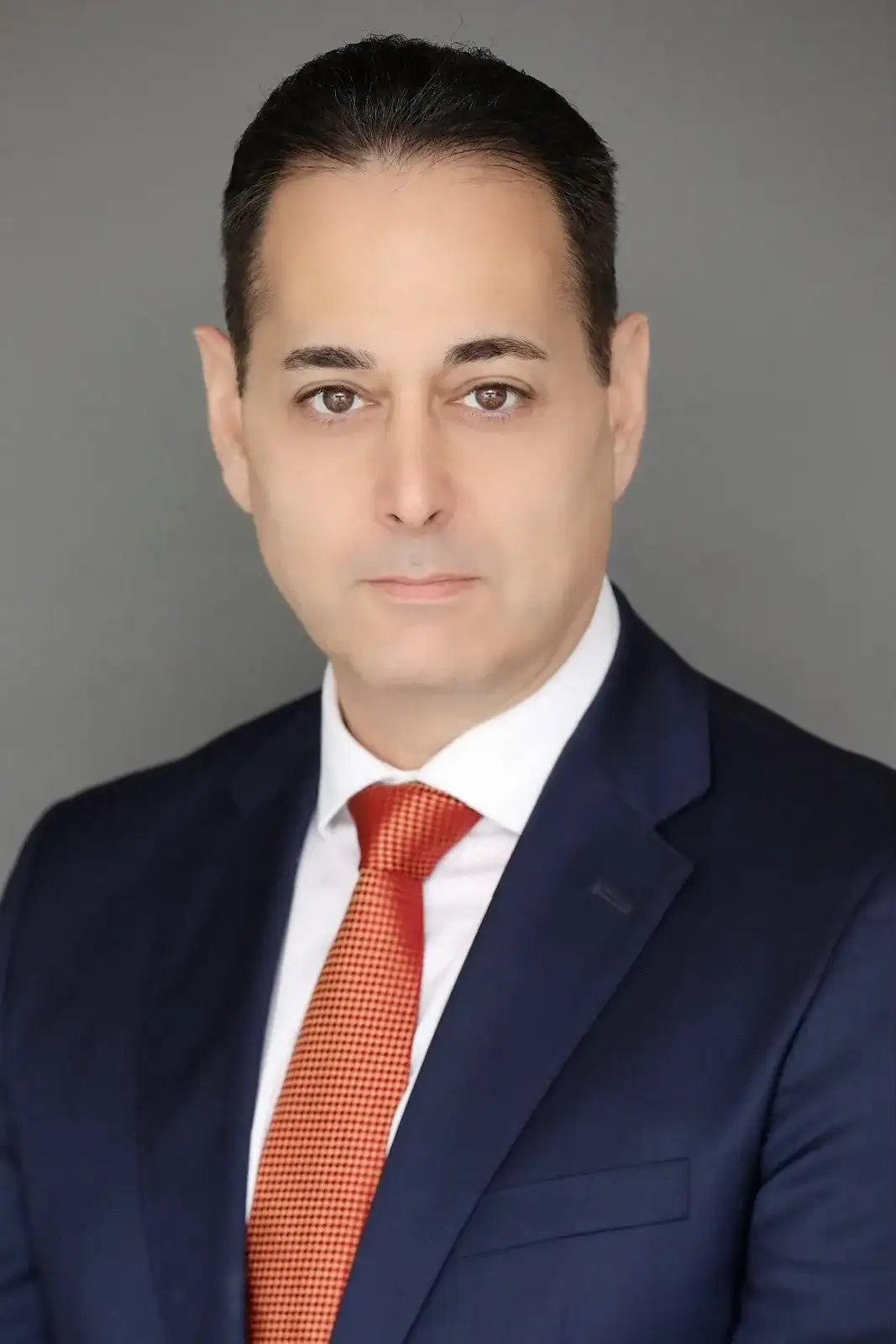
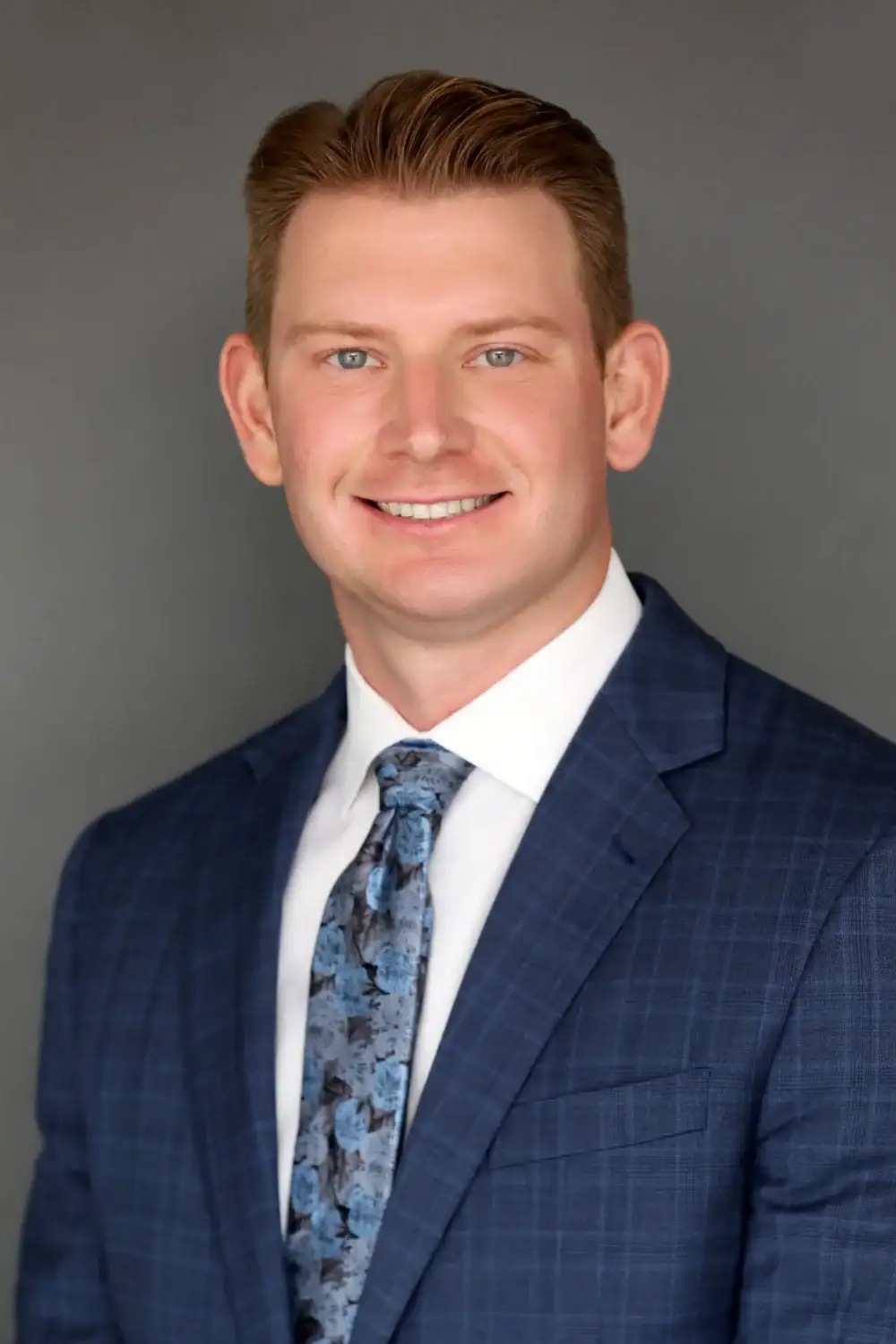
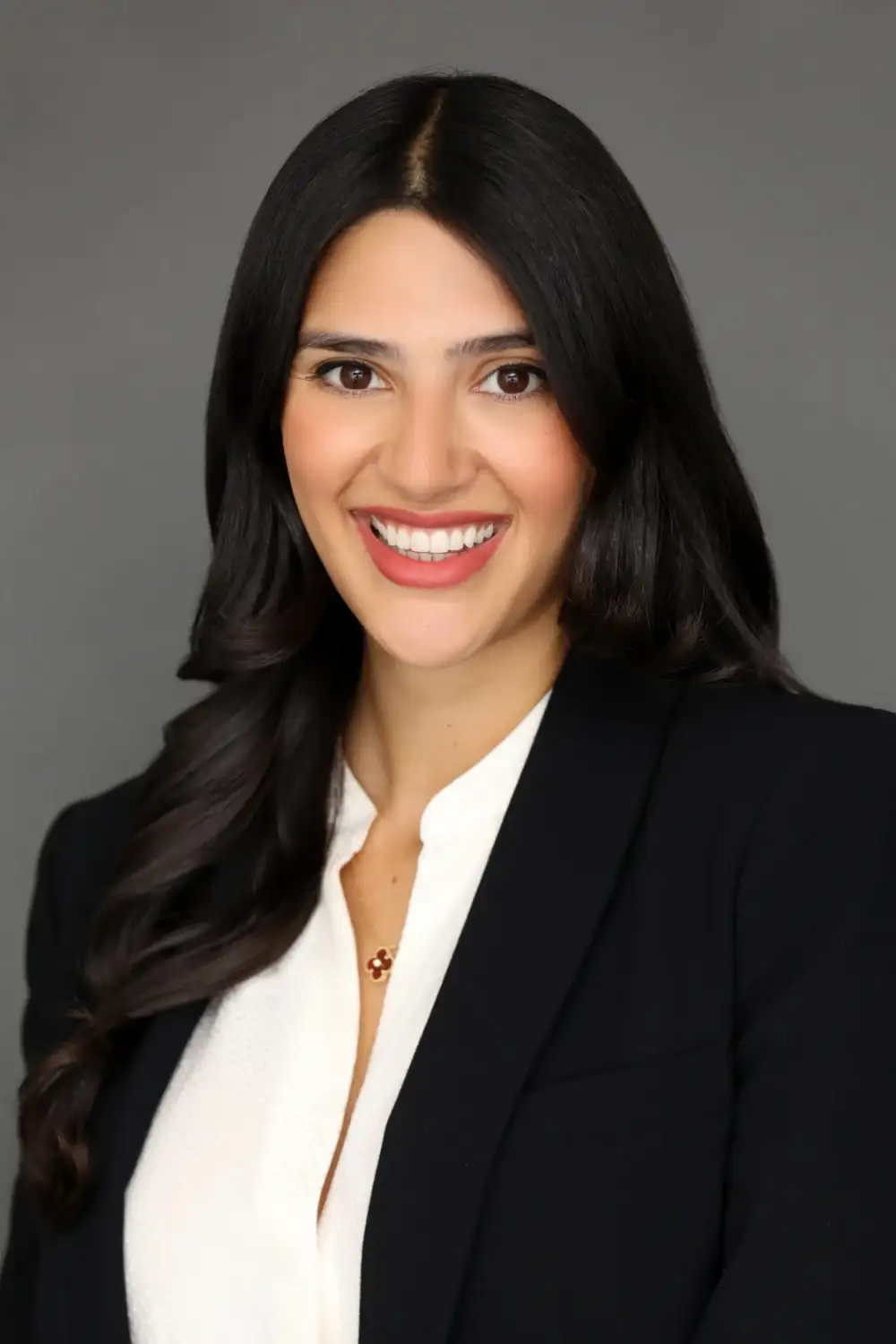
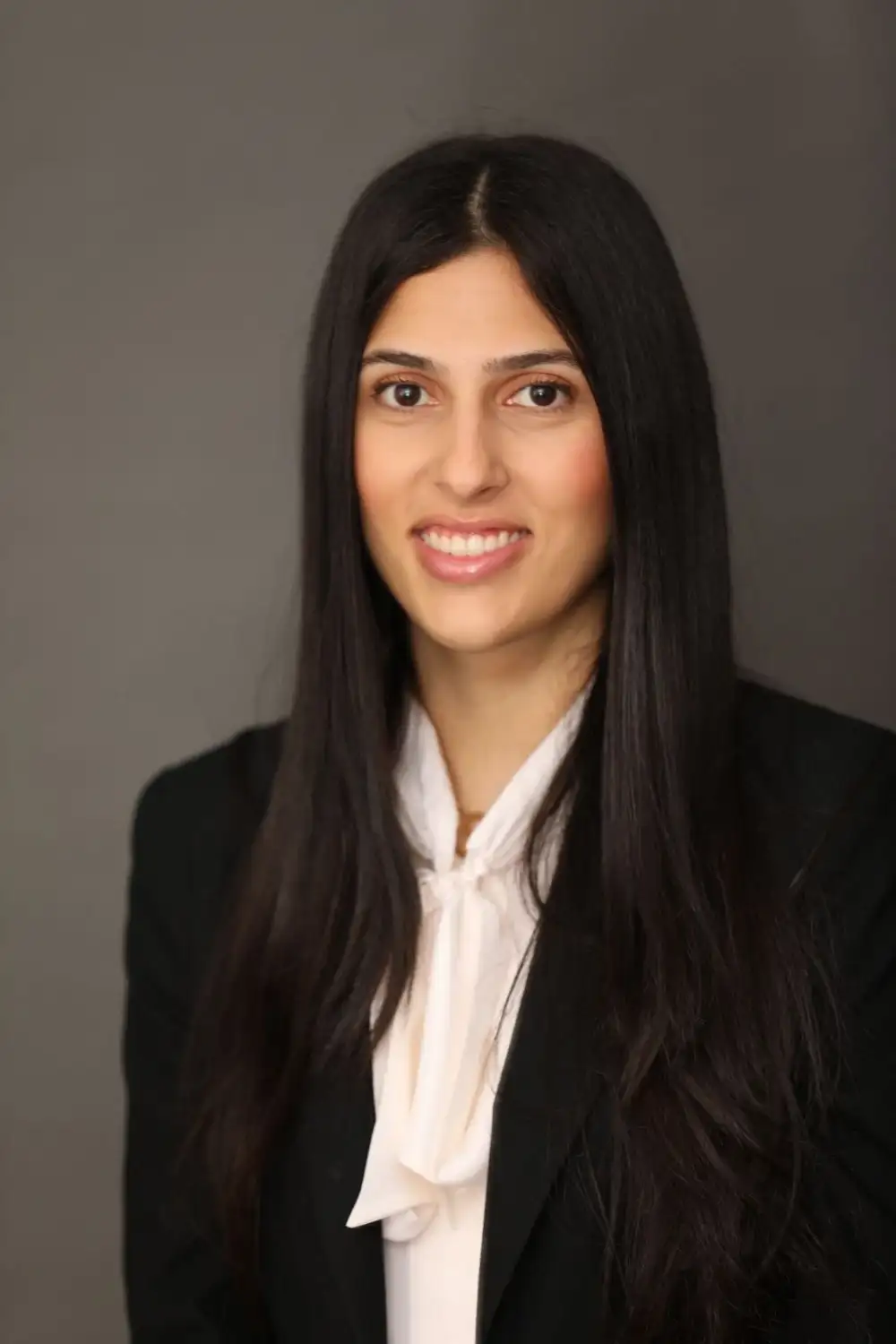
Our matters are staffed by the attorneys below. Read their backgrounds, or call (310) 677-3512 to speak with the team directly.



Serving Los Angeles & Southern California
From our office on Wilshire Boulevard, The Darvish Firm represents clients throughout Los Angeles County, including Beverly Hills, Santa Monica, Century City, Westwood, Culver City, Pasadena, Glendale, Burbank, and Long Beach, and across Orange, Ventura, Riverside, and San Bernardino Counties. We appear in the Stanley Mosk Courthouse and Los Angeles Superior Court locations countywide.
Request a consultation or call (310) 677-3512.
Los Angeles Carmack Amendment & Cargo Claims Lawyers, Frequently Asked Questions
What is the Carmack Amendment?
The Carmack Amendment (49 U.S.C. § 14706) is the federal statute governing an interstate motor carrier's liability for loss or damage to the cargo it hauls. It preempts most state law claims against the carrier and creates a near strict liability framework: the shipper proves good condition at pickup, loss or damage at delivery, and the amount of damages, and the burden then shifts to the carrier. It also allows carriers to limit liability through properly implemented released rates, which is where many freight claims are won or lost.
The carrier says my claim is too late. What are the real deadlines?
Under most bills of lading, you must file a written cargo claim within nine months of delivery (or scheduled delivery), and file suit within two years after the claim is denied. These deadlines are enforced strictly, so calendar them immediately and get the claim filed with proper documentation. If you have already received a denial letter, the two year clock is running now.
My load was stolen. Is the trucking company still liable?
Generally, yes. Theft is not one of the Carmack Amendment's narrow excepted causes, and courts have refused to treat cargo thieves as an excuse from liability, so a carrier is typically responsible for a stolen load unless it can prove an exception applies. The harder questions are usually who actually had the load (a carrier, a broker, or a fraudster), what limitation of liability applies, and whose insurance responds. Move quickly: theft cases reward early investigation.
Does the Carmack Amendment apply to my shipment?
Generally, yes, if a motor carrier transported your goods across state lines under a bill of lading. Purely intrastate California shipments, ocean legs, and air freight are governed by other regimes (state law, the Carriage of Goods by Sea Act (COGSA), or the Montreal Convention), and multi-modal shipments can involve more than one. Identifying the governing law is step one of every cargo case, because it sets the liability standard, the damages, and the deadlines.
What damages can I recover for lost or stolen freight?
Carmack allows recovery of the actual loss or injury to the property, typically measured by the difference between the value the goods should have had at destination and their value as delivered, plus in some cases reasonably foreseeable consequential damages. Recovery may be capped by an enforceable released rate or declared value. Profit margins, salvage, and mitigation all get litigated, so preserve your value documentation from day one.
The broker says it is not responsible because it is not a carrier. Is that right?
Sometimes, but not automatically. Broker versus carrier status depends on what the party actually agreed to do with the shipment, not on labels or licenses. A party that accepted responsibility for transporting the load can be held to carrier liability under Carmack, while a true broker faces state law claims like negligent carrier selection instead. The paperwork and the parties' conduct decide it, which is why we start with the rate confirmations and agreements.
What should I do in the first 48 hours after a load goes missing?
Report the theft to police and your insurer immediately, notify the broker and carrier in writing, and preserve everything: the bill of lading, rate confirmation, load board postings, driver and dispatcher communications, GPS data, and gate or dock camera footage. File the written Carmack claim well inside the nine-month window. Fast documentation catches fraudsters and preserves claims; delay helps only the thief. Call (310) 677-3512 and we can help you move quickly.
Have a question about your situation? Call (310) 677-3512 or request a consultation.